


Conservation Week has arrived, and while it is a time usually marked by nodding along to shared posts and signing the occasional petition, this year we are bypassing the formalities to ask a more uncomfortable question.
What are we actually doing for conservation?
We have been turning that question on ourselves lately, and when we strip away the administrative noise and the competing priorities, our honest answer comes down to one specific place: Maukahuka, Auckland Island.

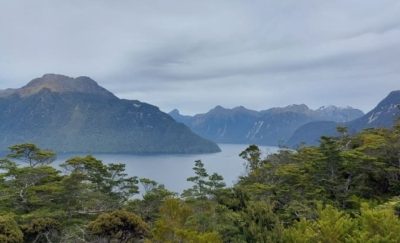
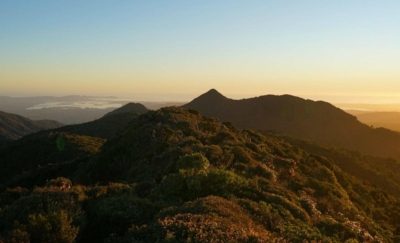
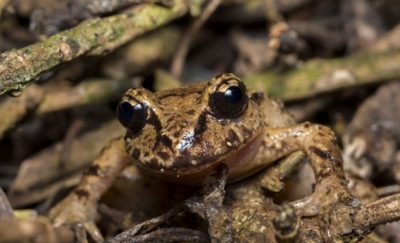
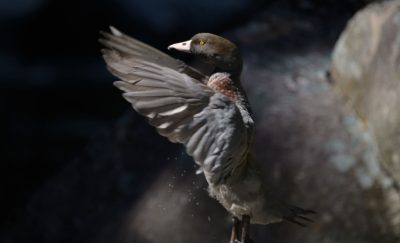
Maukahuka is 46,000 hectares of raw, subantarctic wilderness and the very last island in the Southern Ocean still plagued by introduced predators. Feral pigs, cats, and mice currently roam a landscape where Gibson’s wandering albatross, rare megaherbs, sea lions, and over a hundred endemic species are still desperately holding on. By clearing these predators, we remove the need to pick winners or losers because every species on the island recovers in unison. We view this project as a biobank in the Southern Ocean—a high-impact, long-term deposit where a single, well-placed effort secures forty years of natural restoration.
This is one of the largest island pest eradication projects ever attempted in the Southern Hemisphere, and while New Zealand donors have already committed over $1 million toward the goal, we need more. This week is the time to ask for that support.
You can take action today by becoming a Hectare Guardian for $1,000, which allows you to adopt one of the island’s hectares and receive a digital certificate and regular project updates. Alternatively, a gift of $85 a month provides that same Guardian recognition while giving our team the financial certainty to plan these complex logistics. Even a contribution of $25 makes a difference, funding the essential monitoring and science that underpins the entire operation.
If a donation is not possible right now, please share this story with someone who might want in. Reach matters as much as dollars, though we certainly hope to see those dollars move the needle for Maukahuka this week.