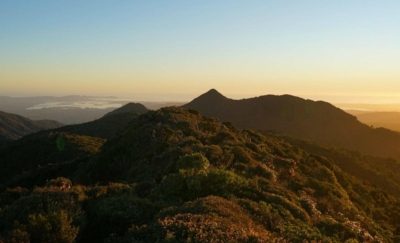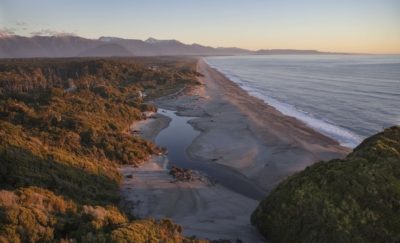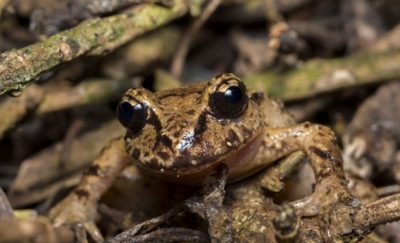



This remarkable skink was discovered in the 1990s and has already vanished from other locations. Its last refuge sits within a beech forest ecosystem that represents a vital piece of the West Coast’s rich biodiversity. The location is significant; these pākihi wetlands create distinctive microhabitats found nowhere else in New Zealand, supporting specialised plant and animal communities that have evolved in isolation.
Recent surveys revealed a dramatic decline in numbers, prompting our partners at DOC to fast-track the construction of a five-hectare predator-proof enclosure. The fence, made from durable stainless-steel mesh, has been specially designed to keep mice, rats and stoats away from these critically endangered reptiles.
“Even though we reduced mouse numbers earlier this year, there has been a constant threat of reinvasion,” says DOC Ranger Supervisor Gemma Hunt. “Long-term monitoring indicated there were between 40 and 100 skinks early last year, but more recent estimates are much lower.”
Not unlike the tuatara, the Alborn skink represents an evolutionary branch unique to our country. Its preservation matters not only for maintaining genetic diversity but also for the ecological balance of the West Coast wetland system. Protecting species like this also protects entire ecosystems and the complex relationships that sustain them.
The $700,000 fence is expected to be completed by November, with hopes that the remaining skink population will then be able to breed safely. Female Alborn skinks typically give birth to two or three babies each year, so protecting these families from predators should allow their numbers to steadily recover.
This project is a great example of our commitment to preserving New Zealand’s most endangered species. By focusing our fundraising efforts on supporting critically threatened wildlife like the Alborn skink (even if they’re not the most well-known), we’re tackling the most urgent conservation needs first, and that’s the first step in stopping extinctions before they happen.
What can you do? As ever, your support can help save this irreplaceable West Coast taonga. Donations to this project will fund ongoing pest control, population monitoring, and research into whether more Alborn skinks exist in nearby areas. To learn more about the Alborn skink extinction prevention project, click here.