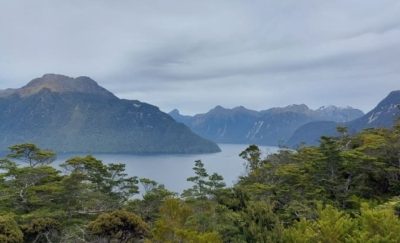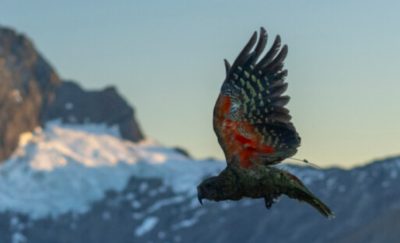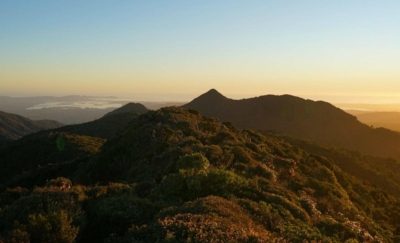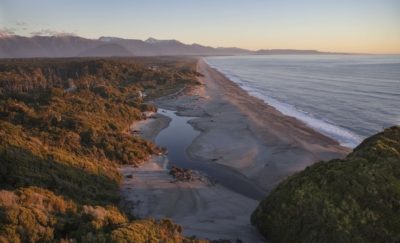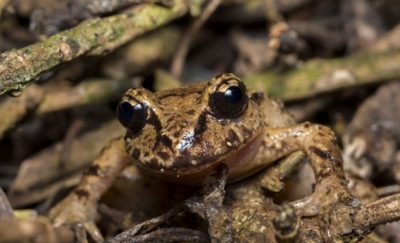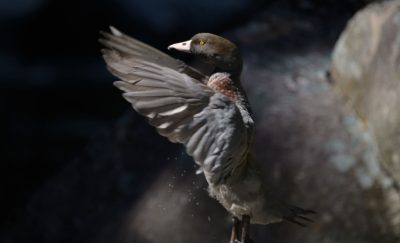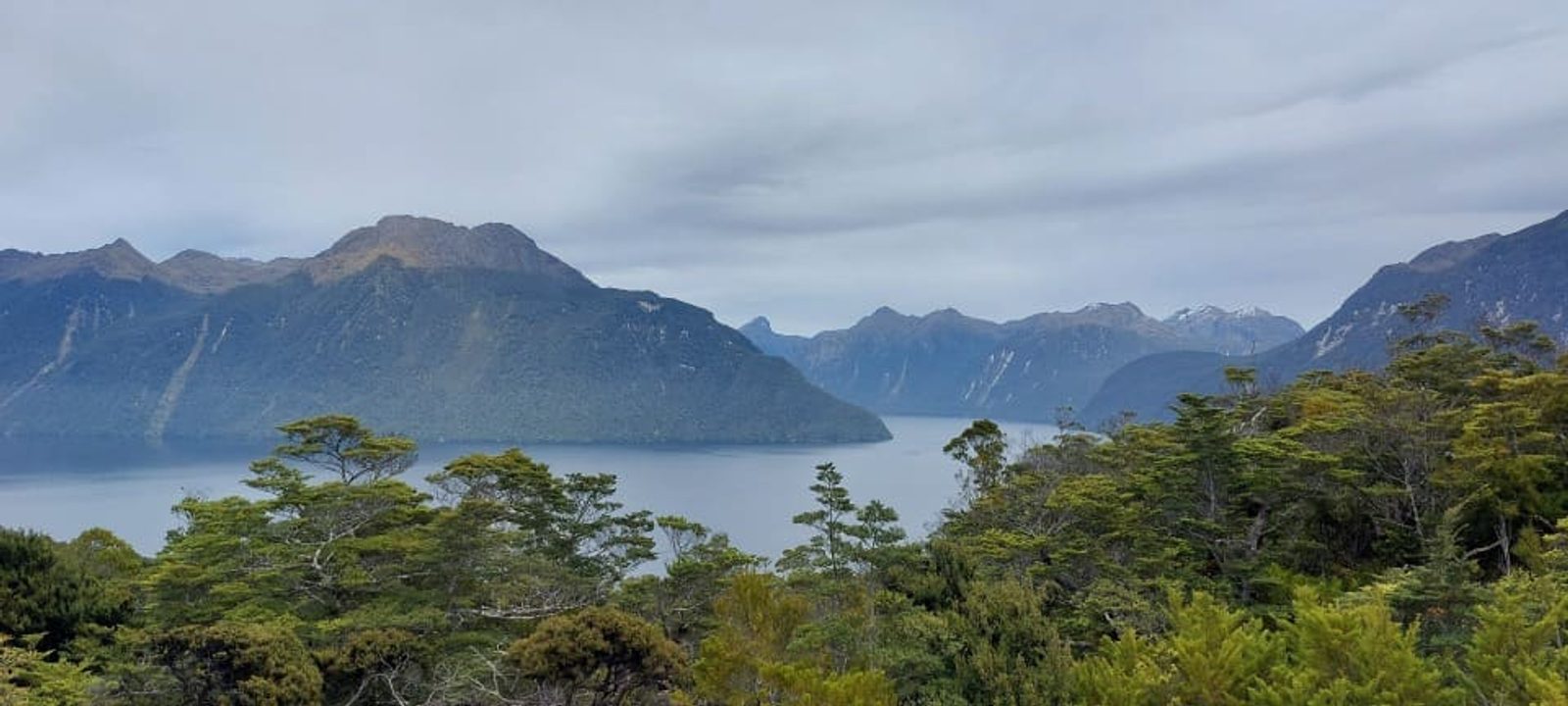
New Zealand looks after more than 220 predator-free island sanctuaries, some a refuge for species that survive nowhere else. Every one of them is vulnerable to a single predator swimming ashore. The tools we have now cannot watch every coast around the clock. This project builds a system that can, and proves it on one island first.



Automated Island Biosecurity Detection and Response System
The mission
Eyes and ears on the shoreline, every hour of the day
Working together for predator-free islands
This project is led by the Department of Conservation (DOC) under its Building Data Systems and Platforms Programme. New Zealand Nature Fund (NZNF) are the charitable trust responsible for managing the funds donated to this project.

The challenge
A single animal that reaches an island can undo decades of conservation in a season. Current biosecurity depends on reactive detection and control, on scheduled visits and human eyes, and predators do not wait for the next inspection. Island sanctuaries need monitoring that runs without pause, in every corner, in any weather. The technology to do that is ready. Before it can be rolled out nationally, it has to be proven somewhere accessible, practical and representative of the conditions across DOC’s island network.
What we’re building
The plan is to deploy an integrated, automated biosecurity system on a single trial island. A network of AI-enabled cameras, acoustic sensors, smart traps and automated lure dispensers will watch for invasive species continuously. When a predator is detected, the network sends an alert in real time and cues nearby traps to intercept it.
Why a trial island
Not every island suits the testing of new technology. The trial site has been chosen because it offers three things:
Accessibility
Close enough to the mainland for frequent servicing, calibration and quick changes during development.
Representativeness
Biosecurity challenges and conditions that mirror those across DOC-managed islands.
Proof-of-concept potential
The right scale and complexity to show the system works before wider rollout.
The three-year plan
- Year one: establish the core monitoring network across the island.
- Year two: expand and strengthen the network, including the development of AI detection models.
- Year three: build in ongoing maintenance cycles and prove the system at scale.
What your support funds
Your donation builds and tests the system on the trial island:
Monitoring network
AI-enabled cameras, acoustic sensors, smart traps and automated lure dispensers.
AI detection models
The AI detection models that tell a predator apart from the native wildlife around it.
Maintenance and calibration
The maintenance and calibration that prove the system can run at scale.


Why it matters
This project shows how island biosecurity can be held by advanced technology with very little ongoing human effort. Once it is proven on the trial island, the approach can be scaled and repeated across the more than 220 islands DOC manages, protecting irreplaceable wildlife from reinvasion at a national scale. Your support helps build that blueprint, the early-warning system that keeps predator-free islands predator-free.
Take action
One island can prove what protects them all.
 Learn how
Donate to island biosecurity
Build the blueprint here, and predator-free islands everywhere are safer for it.
Donate now Learn how
Share this project with people who care
Every share helps more people discover the work being done to make our islands predator-free.
Share on LinkedInThis project is led by the Department of Conservation under its Building Data Systems and Platforms Programme. NZ Nature Fund manages charitable donations for this project. NZ Nature Fund holds donations in a dedicated charity account and disburses against project milestones. All gifts are tax-deductible in New Zealand. Registered Charity CC32894.
Pest detection photo courtesy of DOC.
Stay connected
Be the first to hear about project updates, opportunities, and stories from the wild.


Donate Now
Protecting and restoring nature is needed more than ever. Thank you so much for your support of this critical work for our native habitats and wildlife.
Donate to the fund
Donate to a specific project
DONATE TO THE FUND
Donate to our Operations Fund to support our operational delivery giving 100% to nature.
Donate via bank transfer
Donate to the fund