

Protect the Kea

karl anderson PYVpFcGFSs unsplash
Karl Anderson

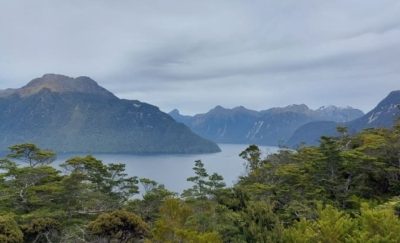
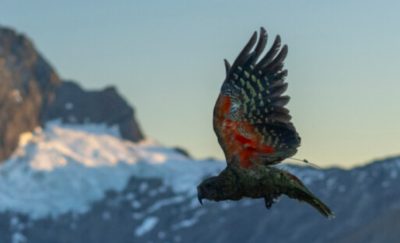
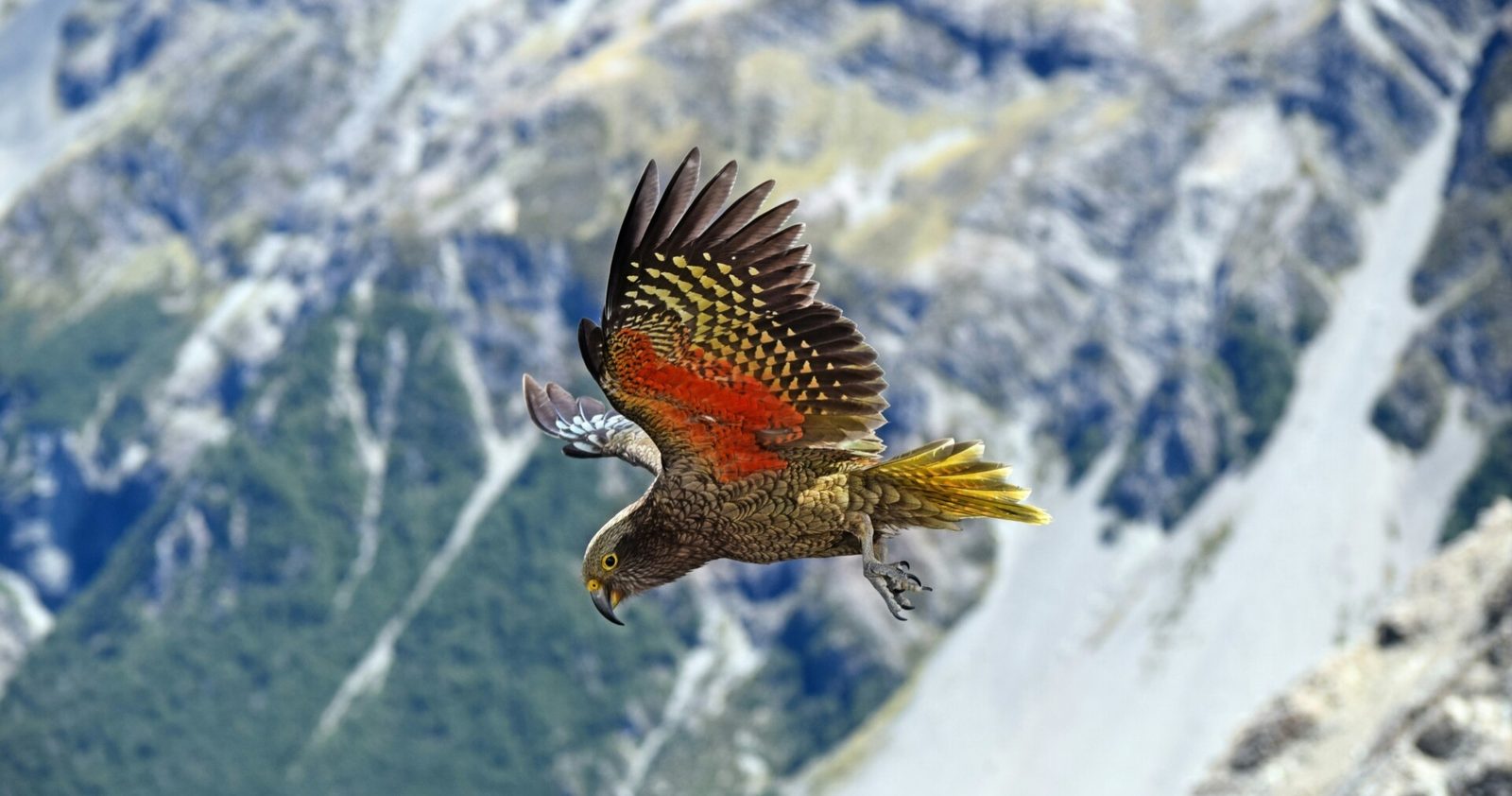
Meet the kea: an ancient parrot which calls the mountains and forests of Te Waipounamu home. Named by Māori after its loud "kea!" call, this clever bird is basically the Einstein of the avian world.

A taonga species for Ngāi Tahu and Ngā iwi o Te Tauihu, the kea (Nestor notabilis) is found throughout Te Waipounamu from the snow-covered peaks of the Southern Alps down to temperate coastal rainforest. They are long-lived, highly intelligent, and famously curious, with a reputation for dismantling anything left unattended and a personality that tends to make an impression on anyone who meets one.

They are also endangered. Fewer than 7,000 kea remain in the wild, and the population faces ongoing pressure from predation, lead poisoning, and conflict with people. Kea are drawn to human infrastructure, particularly east of the main divide, where they chew lead flashings on roofs, get into rubbish, and interact with vehicles, machinery, and buildings in ways that frequently end badly for the bird. Removing lead from their environment, encouraging kea-safe pest control, and keeping kea wild enough to stay out of trouble are all essential to the species’ continued survival.


Kea Release with transmitter attached

What the work looks like

The Kea Conservation Trust has carried out research on wild kea populations across the species range since 2009. One of these sites includes the Matukituki Valleys, Mt Aspiring National Park which the KCT has been monitoring alongside DOC and local partners since 2015. This has resulted in the banding of 259 birds and tracking 46 with transmitters to identify threats and build up a picture of the local populations status. Work is ongoing with a new conservation plan in development for 2026 onwards.

Another major focus is combating lead poisoning. After testing over 800 kea with DOC and finding widespread contamination, the Trust used $950,000 in Jobs for Nature funding to strip four tonnes of lead from over 500 buildings. This removal work continues across the South Island backed by an additional $150,000 from DOC and private donors.

On the community front, four regional coordinators support grassroots conservation projects. Educational efforts include the Kea for Kids roadshow, which has reached over 3,600 students across 59 schools since 2022, and the Kea Survey App, a citizen science tool launched in 2024 for logging kea presence and absence. In 2026, the Trust partnered with DOC and others to develop and launch the Kea Pledge campaign to “Keep kea wild!” and free Kea Toolkit education resources.

What your donation funds

Donations to the Kea Conservation Trust through NZ Nature Fund support the full range of KCT’s work, including field monitoring and research in the Matukituki and other key sites, lead removal and blood lead surveillance, community engagement coordination across the South Island, the Kea for Kids education programme, and the biennial Kea Summit, which brings together around 100 researchers, DOC staff, iwi representatives, zoo professionals, and community members to share the latest science and plan conservation actions. The Trust operates on a lean annual budget. All positions are part-time, and the overheads are low relative to the ground covered. More detail on project costs and priorities is available on the KCT website here.

Donate to support the project

Every dollar goes into protecting the Kea.

Donate to this project
Stay connected
Be the first to hear about project updates, opportunities, and stories from the wild.
Invest
Subscribe for updates

Subscribe for updates

Sign up to hear the latest news and updates from New Zealand Nature Fund.