

The Quiet Ones

Quiet Ones HamiltonsFrog Stephens Mk  SBernert O
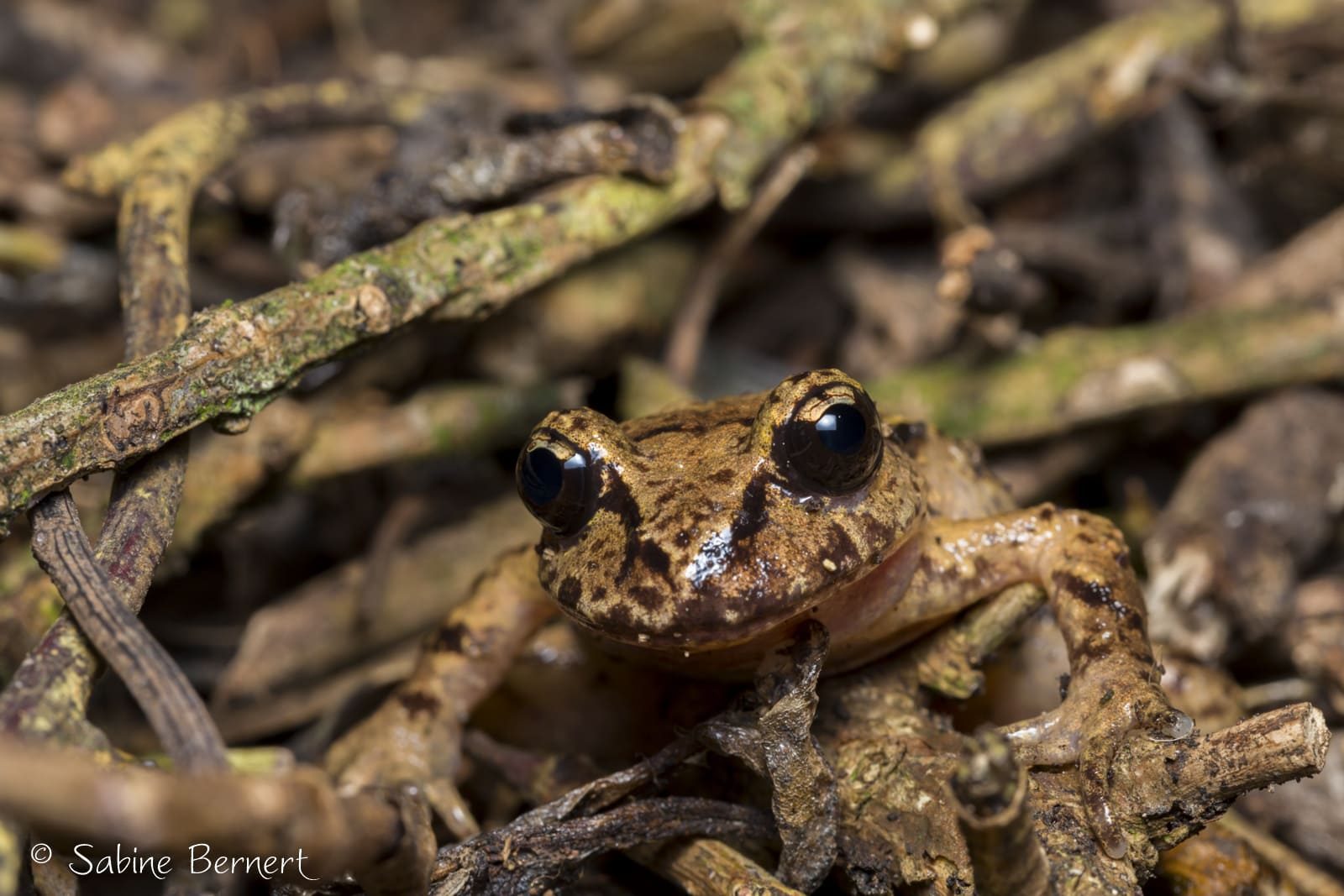
Photo by Sabine Bennert
The mission

The species no one photographs, and the science that could save them.

Some of New Zealand’s most extraordinary species are also the most overlooked. New Zealand’s endemic frogs have barely changed in around 70 million years, having outlasted the dinosaurs without once making a sound.

Undescribed native fish hang on in single waterways. Nationally Critical plants cling to a few cliff faces and alpine plateaux. New Zealand has 126 species of lizard, and none are found anywhere else in the world. For many of them we still lack the basic knowledge needed to help, and that knowledge is what your support provides.


The forgotten species

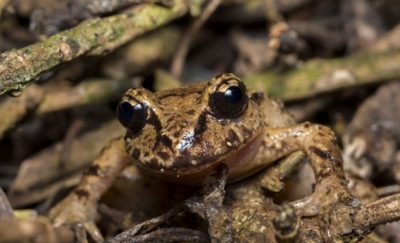
Hamilton’s frog, Leiopelma hamiltoni, is classified Nationally Critical. Its lineage has remained almost unchanged for around 70 million years, surviving the dinosaur extinction, the ice ages and continental drift. Once widespread, the frogs now hold on across a few small offshore islands, safe from introduced predators but exposed to landslides, disease and a changing environment.

In our streams, native fish face equally precarious futures. Some threatened galaxiids have not yet been formally described by science; nameless and unprotected as they slip away. Others survive in a single waterway, where any change upstream could end them.

On windswept cliffs and remote alpine plateaux, Nationally Critical plants like the Mount Percy daisy, Brachyglottis pentacopa, and the forgotten forget-me-not, Myosotis petiolata, survive in tiny, isolated populations. We do not fully understand why they persist where they do, or why they have vanished from everywhere else.

New Zealand has 126 species of lizard, geckos and skinks found nowhere else on Earth. Many are masters of staying hidden, the very trait that now works against them: too cryptic to monitor easily, too easily missed until they are gone. Habitat loss and predation have pushed many to Nationally Critical, slipping toward extinction largely unseen.

Why it matters

For many of the Quiet Ones, basic questions are still open: how they breed, what habitat they need, whether they can be moved safely to new sites, and what is driving them down. Without those answers, conservation managers cannot be sure they are giving these species the right protection. They will not recover on their own. They need active, informed help, built on solid research.

What your support funds

Your donation funds the research that gives these overlooked species a chance:

Tools and development

Recovery tools, developing breeding, cultivation and translocation methods for species that have never been actively managed.


Answering the ‘why here?’ question

Working out what makes the last strongholds viable for threatened plants so those conditions can be protected and, where possible, recreated elsewhere.

Genetics and detection

Using environmental DNA and related techniques to find secretive fish and reptiles in places too remote for traditional surveys.


Describing the undescribed

Completing the taxonomic work that formally names new species so they can receive the right protection.

Developing new approaches

Testing new methods, trialing translocation and cultivation for species where no effective management approach currently exists.


Understanding decline

Investigating the pathogens and habitat changes pushing populations toward collapse.

The opportunity

These are species on the edge, many known from fewer than five locations, and some from just one. Research is what stands between them and extinction, and your donation is what funds the research.

Take action

The quiet ones cannot make their own case.

te waka mike thorsen Learn how

Donate to the Quiet Ones research

Your support makes it for them, and funds the research that decides whether they survive.

Donate now
matt ward corymb Learn how

Share this project with people who care

Every share helps more people discover the work being done to protect these overlooked species.

Share on LinkedIn

This research is led by the Department of Conservation under its Developing Knowledge for Managing Species Programme, in partnership with iwi, universities and research institutions, and is aligned with Te Mana o te Taiao. NZ Nature Fund manages charitable donations for this project. NZ Nature Fund holds donations in a dedicated charity account and disburses against project milestones. All gifts are tax-deductible in New Zealand. Registered Charity CC32894.

Photography by Sabine Bernert (Hamiltons Frog), and Mike Thorsen (Myosotis petiolata) and Matt Ward (Brachyglottis pentacopa) via the Plant Conservation Network.

Stay connected
Be the first to hear about project updates, opportunities, and stories from the wild.
Invest
Subscribe for updates

Subscribe for updates

Sign up to hear the latest news and updates from New Zealand Nature Fund.