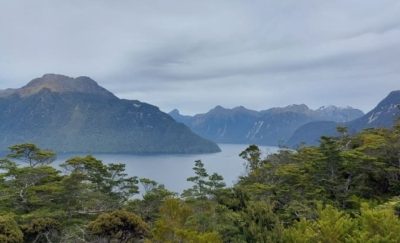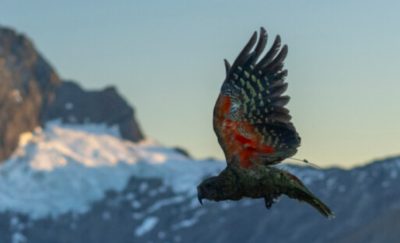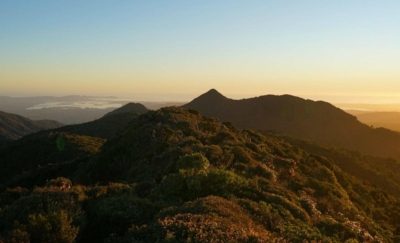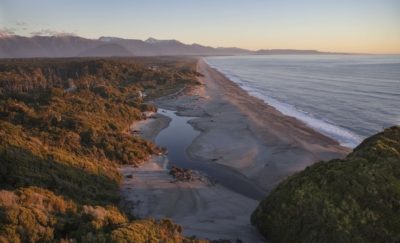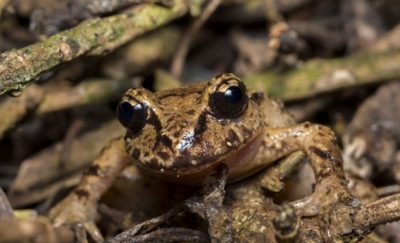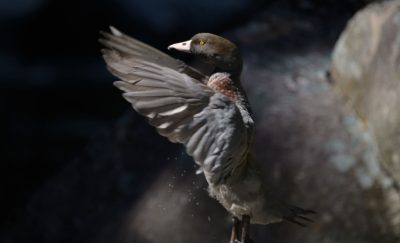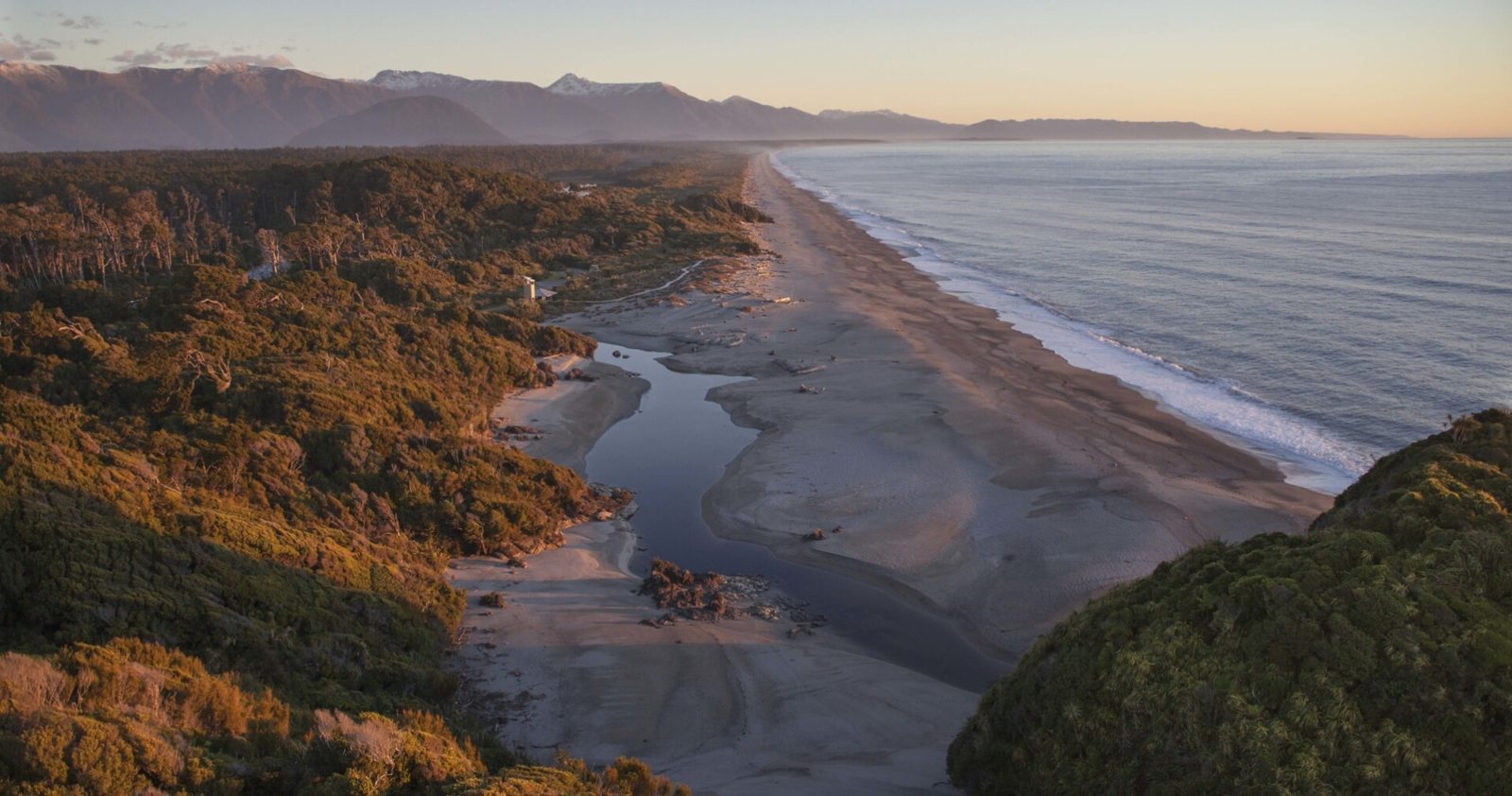
South Westland’s rainforest runs from the Southern Alps to the sea, ancient podocarp and broadleaf forest, moss-draped and fed by glaciers. It is the only place on mainland New Zealand where rowi, our rarest kiwi, still live in the wild, alongside whio, kea and long-tailed bats. Stoats, rats and possums work against all of it, raiding nests and undoing decades of effort. Your support funds the tools that find predators faster and keep them out.



Predator-free South Westland
The mission
Staying one step ahead in one of the mainland's wildest places.
Working together to save South Westland
This project is led by the Department of Conservation (DOC) under its Health of Landscapes and Seascapes Programme. New Zealand Nature Fund (NZNF) are the charitable trust responsible for managing the funds donated to this project.

The place
South Westland holds one of the most intact indigenous ecosystems left on mainland Aotearoa. Podocarp and broadleaf rainforest stretches from the mountains to the coast, fed by glaciers and threaded with wild rivers. This is the only part of mainland New Zealand where rowi, the rarest of our kiwi, still survive in the wild. Whio share the rivers, kea range across the tops, and long-tailed bats move through the forest at dusk.
The threat
Introduced predators are relentless here. Stoats, rats and possums raid nests, prey on native wildlife and hold back the recovery of species that should be thriving. Without sustained work to find and remove them, the predators win back ground, and decades of conservation effort begin to slip.
What your support funds
Predator Free South Westland operates under DOC's Health of Landscapes and Seascapes Programme. Your donation makes the work sharper and faster:
Improving monitoring
Better monitoring of recovery, with the tools and systems to track how key birds, lizards and forest insects are responding, so management can be directed where it counts.
Funding tools and technology
Next-generation detection tools, funding the design, testing and rollout of technology that finds incursions and removes them before they reach vulnerable species in the core area.
Staying one step ahead
Early-warning surveillance, smarter monitoring networks that pick up predator reinvasion at the earliest possible stage and hold on to hard-won gains.
The opportunity
There is room to push the protected frontier further. A possible extension of 119,000 hectares, reaching south to the Karangarua River, would widen the area under protection. The better the detection tools developed in the core area, the more feasible that expansion becomes.



Why it matters
This is integrated landscape management at the scale the country needs, with ecological, cultural and community benefits running together. The work sits under the vision of Te Mana o te Taiao, that ecosystems from the mountain tops to the ocean depths are thriving. Investing in South Westland helps secure one of the last great wild landscapes left on the mainland, for the rarest kiwi in the country and the forest that shelters them.
Project partners
Partnership and governance


Take action
Every dollar goes into staying one step ahead of predators.
 Learn how
Donate to Predator Free South Westland
That is what keeps South Westland's rarest species in the wild. The work only continues if the funding does.
Donate now Learn how
Share this project with people who care
Every share helps more people discover the work being done to protect South Westland's native wildlife.
Share on LinkedInPredator Free South Westland is led by the Department of Conservation under its Health of Landscapes and Seascapes Programme. NZ Nature Fund manages charitable donations for this project. NZ Nature Fund holds donations in a dedicated charity account and disburses against project milestones. All gifts are tax-deductible in New Zealand. Registered Charity CC32894.
Photography by Andris Apse.
Stay connected
Be the first to hear about project updates, opportunities, and stories from the wild.


Donate Now
Protecting and restoring nature is needed more than ever. Thank you so much for your support of this critical work for our native habitats and wildlife.
Donate to the fund
Donate to a specific project
DONATE TO THE FUND
Donate to our Operations Fund to support our operational delivery giving 100% to nature.
Donate via bank transfer
Donate to the fund